Newsfront Online Newsfront Online


Nigeria’s economy is expected to maintain a steady growth path in the first half of 2026, even as global tensions triggered by the Iran war ripple through energy markets and domestic prices, the World Bank said on Tuesday.
The Bank projected growth of about 4.2 per cent for the year, citing underlying resilience in economic activity. However, it warned that rising fuel costs and stubborn inflation could erode household incomes and slow the pace of poverty reduction.
Speaking during a presentation in Abuja, the Bank’s Lead Economist for Nigeria, Fiseha Haile, said recent data suggests that business activity has remained largely stable despite the external shock. “Overall business activity has been expanding over the past few months, suggesting the impact on growth has been relatively contained,” Haile said. “But the shock is still being felt through higher inflation.”
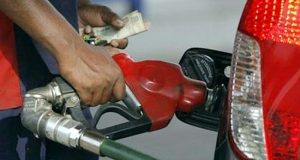
The ongoing conflict involving the United States, Israel and Iran has driven up global oil prices, with direct consequences for Nigeria’s domestic economy. Fuel prices have surged by more than 50 per cent during the period, raising transportation, food and production costs across sectors.
This trend has complicated Nigeria’s inflation outlook. Although inflation declined sharply to 15.06 per cent in February from about 33 per cent in December 2024, the recent spike in energy costs is beginning to reverse some of those gains.
The World Bank cautioned that sustained inflationary pressure could undermine consumer purchasing power and worsen poverty levels if not effectively managed. To address these risks, the World Bank advised Nigerian authorities to adopt a cautious fiscal stance.
It recommended saving windfall revenues from higher oil prices, maintaining tight monetary policy, and avoiding broad-based subsidies that could strain public finances and fuel inflation further.
The policy direction aligns with ongoing reforms under President Bola Tinubu, whose administration has implemented sweeping changes aimed at stabilising the economy. These include the removal of fuel subsidies, exchange rate liberalisation and tax system adjustments.
While these reforms have drawn mixed reactions, the World Bank noted signs of improvement in key macroeconomic indicators. Nigeria’s external position has strengthened, supported by rising foreign exchange reserves and reduced currency volatility.
At the same time, fiscal conditions appear to be gradually improving. The country’s deficit widened slightly to 3.1 per cent of GDP in 2025 but remains below levels recorded before the current reform cycle. More notably, Nigeria’s debt-to-GDP ratio declined for the first time in a decade, aided by stronger fiscal performance and exchange rate valuation gains.
However, risks persist on the external front. Tighter global financial conditions could affect capital inflows, increase borrowing costs and weaken remittance flows, posing additional challenges for policymakers.
Haile also pointed to structural measures that could help ease inflationary pressure, including relaxing restrictions on fuel imports to improve supply and stabilise prices. “Inflation is still elevated and under increasing pressure, and that poses risks to incomes and poverty reduction,” he said.
Overall, the World Bank’s outlook presents a cautiously optimistic picture. Growth remains intact, supported by ongoing reforms and resilient economic activity, but the benefits may be tempered by inflationary shocks linked to global geopolitical developments.
(LEADERSHIP)