Newsfront Online Newsfront Online

With Saviour Ekpe, Ph.D
Since assuming office, Governor Umo Eno has demonstrated a strong commitment to the development and welfare of Akwa Ibom people through his ARISE Agenda. Across the state, numerous empowerment programmes, support for entrepreneurs and farmers, road infrastructure projects, rural development initiatives, youth and women empowerment schemes, educational interventions, and healthcare improvements have continued to impact positively on the lives of citizens. These efforts have earned the governor commendation from various segments of society.
However, as Akwa Ibom continues to pursue sustainable economic growth and diversification, there is an urgent need for the state government to consider the establishment of a Ministry of Blue Economy to harness the enormous opportunities available within the state’s vast maritime and aquatic resources.
Akwa Ibom is naturally blessed with one of the longest coastlines in Nigeria, stretching over 129 kilometres along the Atlantic Ocean. The state is strategically located within the Gulf of Guinea and possesses abundant marine and inland water resources that remain largely underutilized. A dedicated Ministry of Blue Economy would provide the institutional framework needed to coordinate, regulate, promote, and maximize these resources for economic growth, job creation, investment attraction, and environmental sustainability. One of the most important sectors that would benefit from such a ministry is Maritime Transport and Shipping.
Shipping and Logistics
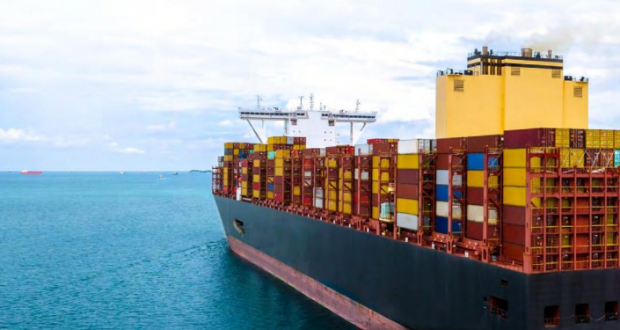
Globally, maritime transportation accounts for over 80 percent of international trade. Akwa Ibom’s coastal advantage places it in a favourable position to become a major logistics and shipping hub in the South-South region and beyond. A Ministry of Blue Economy can facilitate policies that encourage private sector participation in maritime logistics, establish logistics parks, support warehousing facilities, and create efficient cargo movement systems. Such initiatives would stimulate commerce, reduce transportation costs, attract investors, and generate significant revenue for the state.
Ports and Harbours Development
The proposed Ibom Deep Seaport remains one of the most ambitious economic projects in Akwa Ibom’s history. When fully operational, the seaport is expected to transform the state’s economy by attracting local and international shipping activities.
A dedicated Ministry of Blue Economy would provide focused attention to maritime infrastructure, helping to coordinate efforts relating to ports, jetties, harbours, waterfront development, and marine services. The ministry could also work closely with relevant federal agencies and private investors to accelerate investments in port-related facilities and ancillary industries. The development of functional harbours and marine terminals across coastal communities would not only enhance trade but also open up economic opportunities for local businesses and entrepreneurs.
Freight and Cargo Services
The movement of goods remains a critical component of economic development. With proper planning and investment, Akwa Ibom can emerge as a leading freight and cargo destination within the Gulf of Guinea region. The establishment of a Ministry of Blue Economy would facilitate the development of cargo handling services, container terminals, storage facilities, and modern freight management systems. This would encourage import and export activities, boost internally generated revenue, and create thousands of direct and indirect employment opportunities. Furthermore, local producers, manufacturers, farmers, and exporters would benefit from improved access to domestic and international markets.
Ship Brokerage and Maritime Trade
Another largely untapped area within the blue economy is ship brokerage and maritime trade services. Around the world, maritime trade contributes significantly to national and regional economies through vessel chartering, shipping contracts, marine insurance, cargo brokerage, and maritime consultancy services.
With a dedicated ministry driving policy and capacity development, Akwa Ibom can nurture a new generation of maritime professionals, including ship brokers, marine surveyors, freight forwarders, logistics experts, and maritime consultants. The resulting ecosystem would attract maritime businesses, create high-value jobs, and position the state as a maritime services hub within West Africa.
Inland Water Transportation
Beyond the Atlantic coastline, Akwa Ibom possesses extensive inland waterways connecting several coastal and riverine communities. Unfortunately, many of these waterways remain underdeveloped despite their potential to ease transportation challenges and promote economic activities. A Ministry of Blue Economy can spearhead investments in water transport infrastructure, including modern jetties, passenger terminals, ferry services, safety facilities, and navigational aids. An efficient inland water transport system would reduce pressure on roads, lower transportation costs, improve connectivity among communities, facilitate tourism, and enhance the movement of people and goods across the state.
The establishment of a Ministry of Blue Economy is not merely an administrative expansion; it is a strategic economic necessity for Akwa Ibom State. As Governor Umo Eno continues to pursue policies aimed at improving the welfare of the people and positioning the state for greater prosperity, the creation of this ministry would provide a dedicated platform for unlocking the vast economic potential embedded in the maritime sector. By focusing on maritime transport and shipping, Akwa Ibom can leverage its strategic coastal location to attract investments, create employment, generate revenue, stimulate industrialization, and accelerate overall development. The time has come for the state to fully embrace the blue economy as a major pillar of its future economic transformation.
Dr Saviour Ekpe is a Journalist, public analyst and scholar