Newsfront Online Newsfront Online

With Saviour Ekpe, Ph.D
Akwa Ibom State government under the leadership of Pastor Umo Bassey Eno has proved to the people of the state that he actually meant well for the state before assuming the office as governor. This has been proven by the sequentially implementing the Arise Agenda, which have bearing on the lives of the people, creating jobs and developing the state across the three senatorial districts and these have attracted commendations across the state and beyond.
As commendable as these achievements are, there remains a compelling need for the Akwa Ibom State Government to establish a dedicated and full-fledged Ministry of Blue Economy to coordinate, regulate and maximize the vast economic opportunities embedded within the state’s marine and coastal resources. Such a ministry would serve as a catalyst for accelerated development, job creation, industrialization and increased internally generated revenue for the state.
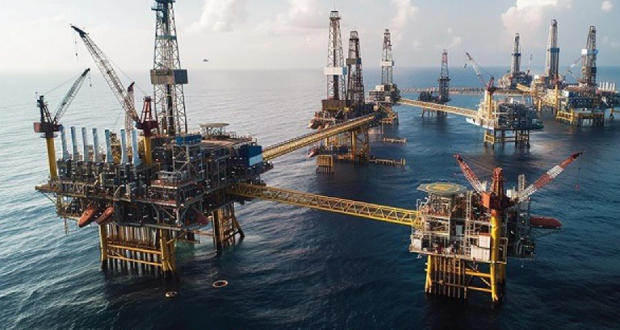
One of the most significant pillars of the Blue Economy is Offshore Oil and Gas, an area where Akwa Ibom possesses enormous comparative advantages I the comity of states. As a coastal state located in the Niger Delta region and blessed with extensive maritime boundaries, Akwa Ibom remains one of Nigeria’s foremost oil-producing states. However, the enormous opportunities associated with offshore oil and gas operations remain largely untapped from the perspective of state-level economic planning and coordination. The offshore oil and gas sector encompasses offshore exploration, drilling operations, production platforms, marine support vessels and petroleum transportation. These activities collectively represent a multi-billion dollar industry capable of stimulating rapid economic growth when properly harnessed.
Offshore exploration involves the search for hydrocarbon deposits beneath the seabed. The waters off the coast of Akwa Ibom contain significant reserves of crude oil and natural gas that continue to attract investments from major energy companies. A Ministry of Blue Economy would be strategically positioned to facilitate partnerships, attract investors, support local participation and advocate for policies that ensure greater economic benefits accrue to the people of the state.
Beyond exploration, drilling operations constitute another critical area of economic activity. Offshore drilling projects require extensive logistics support, specialized manpower, engineering services, safety personnel, environmental experts and technical consultants. The establishment of a Blue Economy Ministry would encourage the development of local content initiatives that empower Akwa Ibom youths and indigenous businesses to participate more actively in these value chains.
Production platforms, commonly known as offshore rigs, generate substantial economic activities throughout their operational lifespan. These platforms require continuous maintenance, security, transportation services, food supply, waste management, accommodation facilities and technical support. With a dedicated ministry focusing on marine resources, Akwa Ibom can strategically position itself as a regional hub for offshore support services, thereby attracting investments and creating thousands of direct and indirect jobs, this is the experience of Bayelsa State while celebrating two years of the establishment of the Ministry of Marine and Blue Economy.
Marine support vessels represent another lucrative segment of the offshore oil and gas industry. These vessels transport personnel, equipment, fuel, supplies and emergency response teams to offshore facilities. The operation and maintenance of such vessels create opportunities for marine engineers, seafarers, logistics operators, dock workers, ship chandlers and maritime service providers. Through a dedicated Blue Economy Ministry, government can encourage indigenous ownership and operation of marine support vessels while strengthening local maritime capacity.
Petroleum transportation also presents significant economic prospects. Crude oil, refined products and natural gas are transported through marine channels using specialized vessels and offshore infrastructure. Proper coordination of these activities can generate revenue, create employment and stimulate the development of supporting industries such as port services, marine insurance, logistics, vessel maintenance and maritime security.
Furthermore, the establishment of a Ministry of Blue Economy would help ensure that offshore oil and gas operations are conducted in a manner that promotes environmental sustainability. The ministry could work closely with regulatory agencies such as NIMASA, Local Content Board, industry operators, coastal communities and environmental stakeholders to ensure compliance with international standards, environmental protection measures and sustainable resource management practices.
The ministry would also provide a platform for addressing community concerns, promoting peaceful coexistence between operators and host communities and ensuring that coastal populations benefit meaningfully from economic activities taking place within their environment. This would contribute significantly to social stability and long-term development.
Globally, countries that have successfully integrated offshore oil and gas into their Blue Economy strategies have recorded remarkable growth in employment, industrialization, technology transfer and revenue generation. Akwa Ibom possesses the natural resources, geographical advantage and human capital necessary to replicate such success. As Governor Umo Eno continues to pursue his vision of economic prosperity and inclusive development, the creation of a Ministry of Blue Economy would represent another bold and transformative step towards unlocking the state’s vast maritime potential. Such a ministry would not only strengthen existing economic sectors but also create new opportunities for wealth creation, youth empowerment, industrial expansion and sustainable development.
The time has come for Akwa Ibom State to fully embrace the Blue Economy as a strategic pathway to future prosperity. By establishing a Ministry of Blue Economy and prioritizing the development of the offshore oil and gas sector, the state can position itself as Nigeria’s leading maritime economic powerhouse and secure lasting prosperity for generations to come.
Dr Saviour Ekpe is a Journalist, public analyst, scholar and the National Secretary, Energy and Maritime Reporters of Nigeria (EMR), could be reached through +2348024179119