
With Saviour Ekpe, Ph.D
The conversation around the establishment of a dedicated Ministry of Blue Economy in Akwa Ibom State has continued to gain relevance as the state’s coastal endowments, marine corridors and offshore assets remain under-optimized. In advancing this advocacy, it is important to recognize and commend the administration of the Governor of Akwa Ibom State, Umo Eno, for ongoing development initiatives and social empowerment programmes aimed at improving livelihoods, expanding infrastructure, and strengthening the economic base of the state.
These efforts—ranging from human capital development schemes, support for small and medium enterprises, infrastructure renewal projects, and agricultural empowerment initiatives—reflect a governance direction that prioritizes inclusive growth. Building on this foundation, the introduction of a specialized Blue Economy Ministry would serve as a catalytic institutional framework to deepen economic diversification and unlock the full maritime potential of the state. The green lights and the possibility of this advocacy has come especially, now that the federal government has directed all states within the coastlines to establish the Ministry of Blue Economy.
Maritime Security: The Missing Link in Blue Economy Expansion
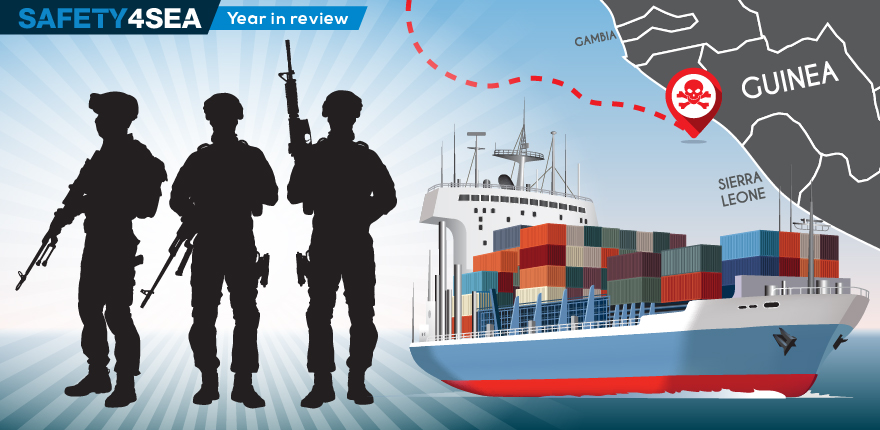
No blue economy can thrive without a strong, coordinated maritime security and safety architecture. For Akwa Ibom State, with its extensive coastline and strategic position along the Gulf of Guinea, maritime security is not merely a federal concern—it is an economic survival strategy. The proposed ministry would provide a structured platform to collaborate with federal security agencies while developing state-level support systems that enhance protection, surveillance and rapid response capabilities.
The maritime security and safety component of the proposed ministry would encompass:
- Naval operations coordination and support interface
- Coast Guard service development and local maritime enforcement support
- Anti-piracy monitoring and deterrence systems
- Integrated maritime surveillance and intelligence gathering
- Search and rescue (SAR) services for coastal and offshore emergencies
These functions are not abstract security add-ons; they are economic enablers. Without safe waters, investment in fisheries, shipping, offshore energy, tourism and marine transportation remains limited and risky. A secure maritime environment directly translates into investor confidence, increased commercial activity and job creation for coastal communities.
Strengthening Institutional Coordination
One of the major gaps in Nigeria’s coastal governance structure is fragmented responsibility. Maritime security functions are often distributed across multiple federal agencies with limited subnational integration. A state-level Blue Economy Ministry would not replace federal institutions but would serve as a coordinating hub—bridging local intelligence, community engagement and rapid response logistics. For example, coastal communities in Akwa Ibom often serve as first observers of illegal fishing, oil theft activities, or suspicious maritime movements. However, without structured reporting systems and coordinated response mechanisms, such intelligence is underutilized. A dedicated ministry would institutionalize community-based maritime surveillance networks, linking them directly to federal enforcement agencies.
Economic Value of Maritime Safety
The economic implications of improved maritime security are significant. Reduced piracy and illegal activities along coastal waters lower insurance costs for shipping operators and attract private investment into ports, jetties and marine logistics hubs. Safe waterways also encourage the expansion of artisanal and commercial fisheries, which remain a major livelihood source for coastal populations.
Furthermore, search and rescue services are often overlooked but critically important. Every year, avoidable losses occur due to inadequate emergency response capacity on water. A structured SAR framework under a Blue Economy Ministry would save lives, protect assets and strengthen confidence in maritime transportation systems.
Linking Security to Broader Blue Economy Development
Maritime security is the foundation upon which other blue economy sectors depend. Fisheries, marine tourism, offshore energy, coastal transportation and marine biotechnology all require stable and secure environments. Without safety assurance, these sectors cannot scale sustainably. For Akwa Ibom State, which is already strategically positioned with access to offshore resources and coastal infrastructure, the integration of maritime security into a dedicated policy framework would unlock exponential growth opportunities. It would also position the state as a regional leader in subnational blue economy governance within Nigeria.
A Strategic Call to Action
The establishment of a Ministry of Blue Economy in Akwa Ibom State especially, in response to federal government directive represents more than administrative expansion—it is a strategic economic transformation agenda. While acknowledging the developmental strides already being recorded under the leadership of Umo Eno, there is a compelling need to deepen institutional specialization in areas that directly impact long-term prosperity. Maritime security and safety remain the bedrock of any successful blue economy model. By investing in naval coordination support systems, coast guard services, anti-piracy frameworks, maritime surveillance infrastructure and search and rescue operations, Akwa Ibom State will not only safeguard its waters but also secure its economic future.
In a rapidly globalizing maritime economy, states that organize early around their blue resources will define the next frontier of wealth creation. Akwa Ibom has both the geography and the governance momentum to lead this transformation—what remains is the institutional courage to act decisively and with immediacy.
Dr Saviour Ekpe is a Journalist, public analyst, scholar and the National Secretary, Energy and Maritime Reporters of Nigeria (EMR), could be reached through +2348024179119