
…As EMR Raises Alarm, Seeks Urgent Reforms
By our Reporter
 The Energy and Maritime Reporters of Nigeria (EMR), Akwa Ibom State Chapter has called on the Federal Government to urgently strengthen Nigeria’s local content implementation in the maritime and offshore sectors, warning that indigenous marine service companies are being pushed to the brink of collapse by unfavourable policies, excessive regulatory costs and the overwhelming dominance of foreign operators.
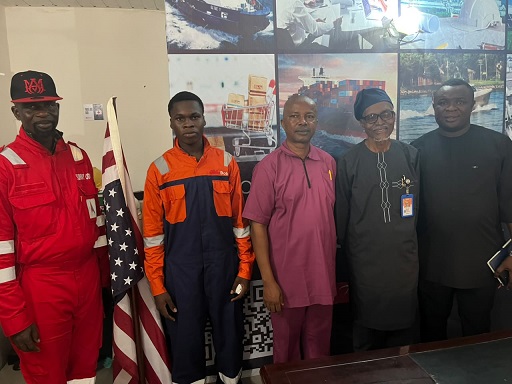
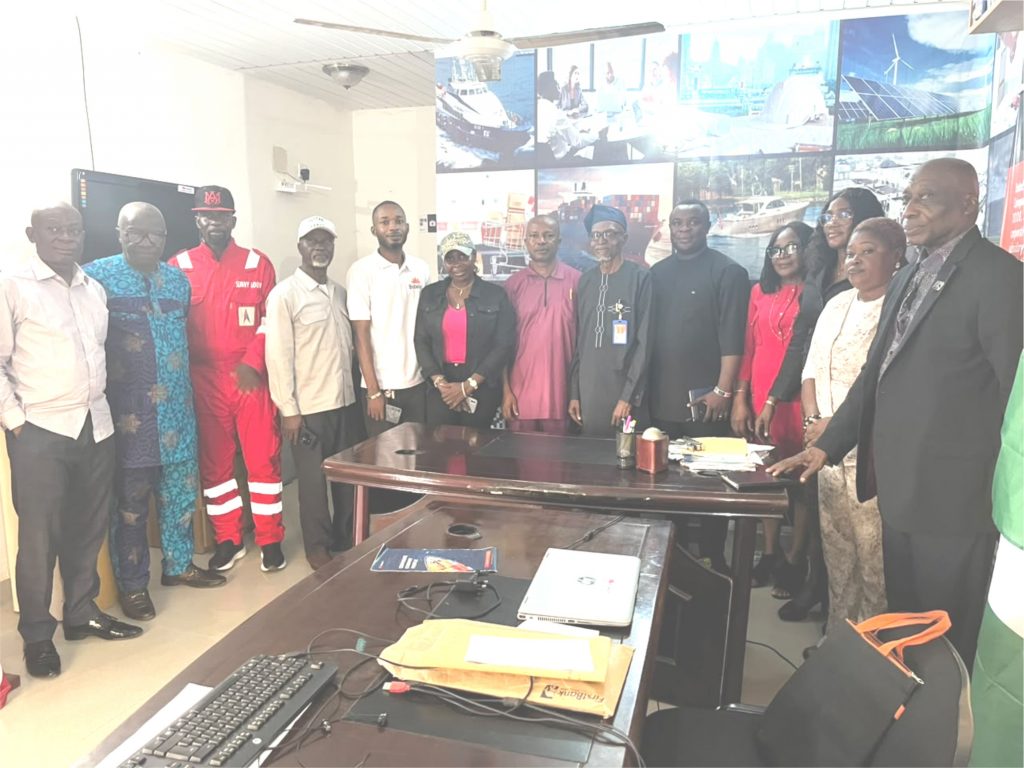
The association made the call following a courtesy visit by its Executive Committee to BOBELS International & Associates Company Limited, an indigenous marine services company operating in Nigeria’s offshore support industry.
Speaking during the visit, Executive Director (Projects) of the company, Mr. Eyo Sunday Ikot said despite the enactment of the Nigerian Oil and Gas Industry Content Development Act, many indigenous operators have continued to struggle for survival due to poor implementation of local content provisions and inadequate institutional support.
He lamented that while indigenous companies have invested heavily in Nigeria’s marine and blue economy sectors, they remain disadvantaged in securing offshore contracts as multinational companies continue to dominate the industry.
According to him, local operators are burdened with multiple annual licence renewals costing over ₦20 million, in addition to taxes and other statutory obligations, without corresponding business opportunities, “the current operating environment is becoming unsustainable for indigenous companies. We continue to bear huge regulatory and financial obligations, yet the opportunities are largely controlled by foreign operators. This is not the essence of local content,” Ikot said.
He explained that the earlier framework which encouraged technical partnerships between indigenous and foreign firms has gradually lost its effectiveness, leaving many Nigerian-owned companies excluded from meaningful participation in offshore operations.
Ikot appealed to the Federal Government to introduce practical intervention measures, including financial support, policy incentives and compensation mechanisms that would enable indigenous marine firms to remain competitive and contribute more significantly to national economic development.
He further expressed concern over the increasing capital flight associated with foreign dominance of Nigeria’s offshore industry, noting that indigenous companies create employment for Nigerians, retain investments within the country and support host community development. According to him, BOBELS International & Associates Company Limited has remained operational in the marine industry for over 14 years despite numerous economic and regulatory challenges.
He disclosed that the company had established partnerships with American marine firms interested in investing in Nigeria’s shipbuilding sector but regretted that previous efforts to establish vessel construction facilities in the country were frustrated by bureaucratic bottlenecks and insufficient government support. Ikot expressed optimism that the establishment of the Federal Ministry of Marine and Blue Economy offers a fresh opportunity to reposition the sector through policies that genuinely support indigenous participation.
Industry observers have consistently argued that effective implementation of local content policies remains essential to achieving the objectives of the Nigerian Oil and Gas Industry Content Development Act, particularly in promoting technology transfer, job creation and increased participation of Nigerian companies across the oil, gas and maritime value chain.
The Nigerian Content Development and Monitoring Board has repeatedly maintained that deepening indigenous participation remains central to Nigeria’s economic diversification strategy, while the Federal Ministry of Marine and Blue Economy has pledged to unlock investment opportunities, expand local capacity and accelerate growth within the nation’s blue economy.
Similarly, the Nigerian Maritime Administration and Safety Agency has consistently advocated increased indigenous participation in maritime services as part of efforts to strengthen Nigeria’s shipping and marine logistics industry. Industry stakeholders say renewed policy reforms, improved access to offshore contracts and effective enforcement of local content regulations will be critical to achieving the Federal Government’s vision of making Nigeria a leading maritime and blue economy hub in Africa.
Earlier, Chairman of EMR, Akwa Ibom State Chapter, Mr. Harrison Ndifreke said the visit formed part of the association’s stakeholder engagement across the energy, maritime, oil and gas and blue economy sectors. He reaffirmed EMR’s commitment to promoting responsible journalism, encouraging investment, supporting local content development and drawing public attention to issues affecting the growth and sustainability of Nigeria’s maritime industry.
Ndifreke observed that with emerging opportunities in the blue economy and major offshore projects expected in Akwa Ibom State, indigenous companies require stronger institutional backing to build capacity, create employment and contribute more meaningfully to national development,
“we believe indigenous marine companies should occupy the front seat in Nigeria’s offshore economy. They possess the local knowledge, employ Nigerians and are better positioned to stimulate economic growth if given adequate policy support,” he said.
He assured stakeholders that EMR would continue to provide a credible platform for constructive engagement among government, regulators, investors and indigenous operators towards building a sustainable, competitive and inclusive maritime sector. Present at the visit was the National Secretary of the EMR, Saviour Ekpe, Ph.D and Akwa Ibom State Executive members of the Energy and Maritime Reporters of Nigeria.