

By Our Reporter
 Oil-bearing communities in Mbo Local Government Area of Akwa Ibom State have lamented what they described as decades of neglect by successive governments despite the area’s enormous contribution to Nigeria’s oil and gas industry, declaring that Oriental Energy Resources Limited remains the only organisation that has consistently demonstrated genuine concern for their welfare.
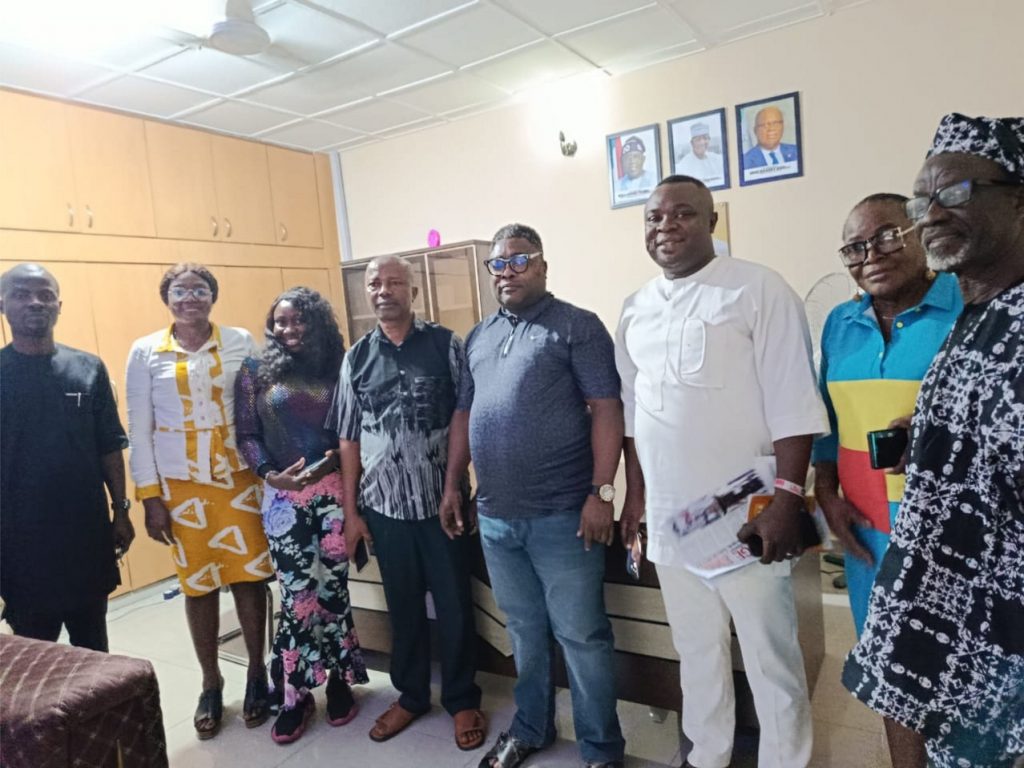
The communities made the declaration during a stakeholders’ engagement with the Energy and Maritime Reporters of Nigeria (EMR) in Uyo, where the Chairman of the Efiat/Mbo Board of Trustees, Oriental Energy Resources Limited, Barr. Inam Effiong Okon and other community leaders highlighted the developmental challenges confronting the oil-producing communities.
 According to the stakeholders, Mbo remains one of Nigeria’s major oil-producing local government areas, yet the communities continue to grapple with poor road infrastructure, inadequate healthcare facilities, limited educational opportunities, unemployment and what they described as the near absence of government presence.
“We have oil, but Akwa Ibom State has forgotten us,” the community leaders lamented. “The only company that has consistently shown concern for our people is Oriental Energy. They are doing what is expected of a responsible corporate citizen.”
The stakeholders commended Oriental Energy Resources Limited, established in 1990 by renowned oil magnate Muhammadu Indimi, for implementing a series of impactful Corporate Social Responsibility (CSR) projects that have improved the lives of host communities.
They listed among the company’s completed projects the construction of a modern science laboratory in Efiat, the provision of teachers’ quarters, scholarship awards and other educational support programmes, as well as the prompt remittance of the statutory three per cent Host Community Development Trust (HCDT) Fund in compliance with the Petroleum Industry Act (PIA).
They further disclosed that Oriental Energy has concluded plans to execute another round of major community development projects, including the construction of an 80-unit housing estate, a modern hospital, expansion of the Host Community Development Trust programmes, grants for market women, small-scale entrepreneurs and the establishment of a technical skills acquisition centre for youths.
According to the community leaders, the company’s educational empowerment programme will also be expanded to provide scholarships for 40 secondary school students in private schools, while beneficiaries of vocational and technical training will receive starter packs to establish their own businesses after graduation.
In addition, selected youths will be sponsored for advanced computer training, with outstanding participants receiving overseas technical training aimed at equipping them with globally competitive skills.
The stakeholders described the interventions as evidence that sustainable community development is achievable when corporate organisations genuinely embrace their social responsibilities. They, however, expressed disappointment over what they described as the poor impact of government intervention agencies established to improve the welfare of oil-producing communities.
According to them, despite statutory allocations provided under the Petroleum Industry Act, many host communities have yet to witness tangible development that reflects the enormous wealth generated from their natural resources, “Even the three per cent meant for host communities has not translated into visible development. Our people still lack basic amenities,” they said.
The community leaders nevertheless commended the late former President Muhammadu Buhari for signing the Petroleum Industry Act into law, noting that the legislation has created a legal framework capable of transforming host communities if faithfully implemented, “what remains is sincere implementation of the provisions of the law by all relevant stakeholders,” they added.
The communities therefore appealed to the Akwa Ibom State Government, the Niger Delta Development Commission (NDDC), relevant federal agencies and other interventionist organisations to give greater attention to the developmental needs of Mbo Local Government Area. They stressed that considering Mbo’s strategic contribution to Nigeria’s oil production and the national economy, the area deserves substantial investment in roads, healthcare, education, electricity, water supply and other critical infrastructure.
The stakeholders reaffirmed their commitment to maintaining a peaceful and conducive environment for oil and gas operations while urging stronger collaboration among government, regulatory agencies, development partners and operating companies to ensure that the benefits of petroleum resources translate into meaningful improvements in the lives of host communities.