
With Saviour Ekpe, Ph.D
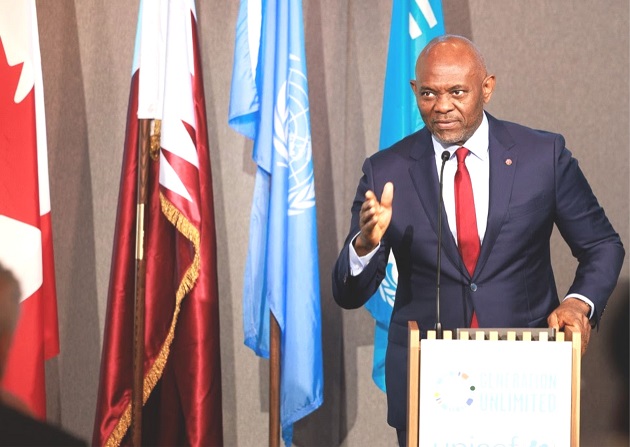
 African businessman and philanthropist, Tony Elumelu has called for a fundamental shift in the way Africa is perceived and engaged globally, arguing that the continent needs trade, investment and partnerships rather than dependence on charity and foreign aid. Elumelu, Chairman of Heirs Holdings and founder of the Tony Elumelu Foundation made the position known while reflecting on his engagements with global business leaders, policymakers, development institutions, philanthropists and entrepreneurs during the 81st Session of the United Nations General Assembly in New York.
 He said Africa possesses the resources, youthful population, energy potential, productive land, expanding consumer markets and businesses capable of competing globally, stressing that the challenge is to transform these assets into sustained economic and social prosperity.
According to him, the continent must change the way it thinks about its own potential and how it engages with the rest of the world, “our continent has so much more to offer. We have the resources. We have our young and entrepreneurial population. We have vast energy potential, productive land, accelerating consumer markets and African businesses that are competing globally,” he said.
 Elumelu pointed to developments within his business interests as evidence of Africa’s growing capacity to mobilise capital and create enterprises of global scale. He noted that United Capital recently played a key role in the Dangote Petroleum Refinery IPO, while United Bank for Africa, an investee of Heirs Holdings, operates across four continents, connecting Africa to the world and facilitating financial intermediation for trade and investment. He said the approach of Heirs Holdings is anchored on long-term private-sector investment, while the Tony Elumelu Foundation focuses on investing in Africa’s young entrepreneurs, “the return on investment through doing good and doing well encapsulates Africapitalism,” he said.
 Elumelu said his discussions at the UNGA centred on issues including capital markets, energy, artificial intelligence, entrepreneurship, trade and economic security, all of which, he noted, are interconnected by the need to convert Africa’s enormous potential into sustainable prosperity. He argued that Africa could no longer remain peripheral to global growth discussions, particularly because of its demographic advantage.
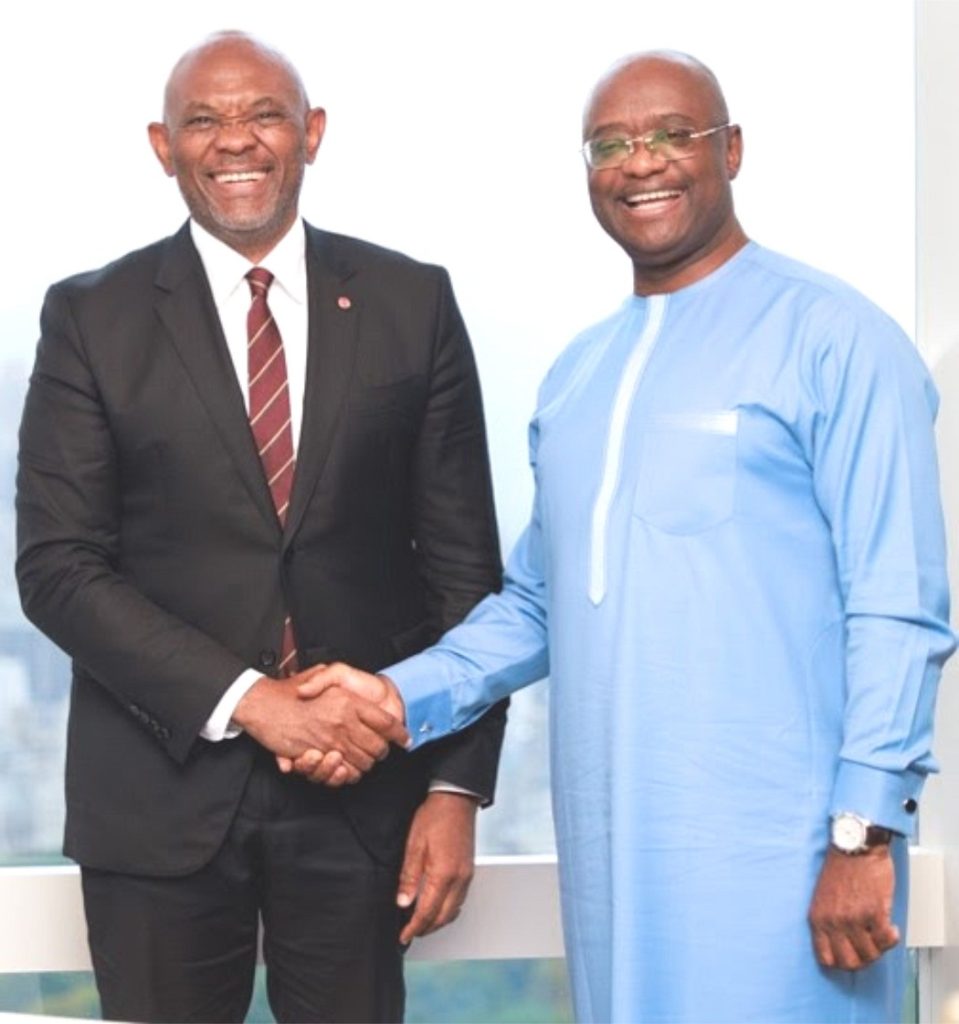
Africa has the youngest population in the world, he noted, describing the development as a major economic opportunity if the right investments are made to convert population growth into productive capacity. The businessman also stressed the importance of African financial institutions in financing African businesses and infrastructure. Reflecting on his meeting with Afreximbank President and Chairman, Dr George Elombi, Elumelu said the institution had demonstrated the catalytic role African financial institutions could play by providing capital to African businesses seeking to expand and create value.
He said discussions focused on deepening partnerships, financing transformational projects across the continent and opening African capital markets to ensure that more long-term financing reaches businesses and infrastructure projects. Another major issue raised by Elumelu was electricity, which he described as fundamental to Africa’s competitiveness in the emerging artificial intelligence and digital economy.
According to him, discussions about Africa’s AI future cannot be separated from the continent’s power deficit because AI, manufacturing, digital infrastructure, hospitals, schools and small businesses all require reliable electricity, “reliable power is no longer simply a development objective; it is fundamental to Africa’s competitiveness,” he said. He called for accelerated exploitation of Africa’s gas resources to provide the energy needed for industrialisation, citing Transcorp Group and Heirs Energies as companies contributing to the effort.
Elumelu also placed strong emphasis on Africa’s youth, describing young people as the continent’s most valuable resource. As a member of UNICEF Generation Unlimited’s Global Leadership Council, he said he participated in discussions on preparing young people for productive futures. He recalled that he and his wife, Awele Elumelu, established the Tony Elumelu Foundation with the conviction that empowering African entrepreneurs could contribute significantly to the continent’s transformation.
Through the BeGreen initiative, the Tony Elumelu Foundation, Generation Unlimited and IKEA Foundation are supporting young Africans through training, mentorship and seed capital to help them transition from learning to earning. Elumelu also used his engagement at the Darryl G. Behrman Lecture on Africa Policy, where he joined Ambassador Michael Froman, President of the Council on Foreign Relations, to reiterate his position that Africa should be approached as an investment destination rather than primarily as a recipient of assistance, “Africa needs trade and investment, not aid,” he said, arguing that industrialisation requires electricity, transportation, infrastructure, capital and policies capable of giving investors confidence to make long-term commitments.
He said the private sector has a central role to play by investing, innovating, operating efficiently and creating jobs. According to him, this represents the practical application of Africapitalism, which recognises both the capacity and responsibility of the private sector to contribute to Africa’s economic and social development. Elumelu also linked economic opportunity to security, arguing that economic development and security should not be treated as separate conversations. He said the absence of economic hope could create conditions for instability, noting that the Tony Elumelu Foundation’s work with the United Nations Development Programme in fragile states had demonstrated how entrepreneurship could contribute to societal change, stability and efforts to combat fanaticism and forced migration.
He maintained that philanthropy should not create permanent dependency but should help individuals and businesses reach a stage where they no longer require philanthropic support. The Tony Elumelu Foundation’s 15-year impact report, launched during the UNGA engagements, was presented as evidence of the impact of the foundation’s entrepreneurship programme.
According to the figures released by the foundation, entrepreneurs supported by TEF have created more than 1.5 million direct and indirect jobs and generated more than US$4.2 billion in revenue. The foundation also reported that 80 per cent of entrepreneurs funded since 2015 remain in business, while more than 25 per cent have attracted additional investment.
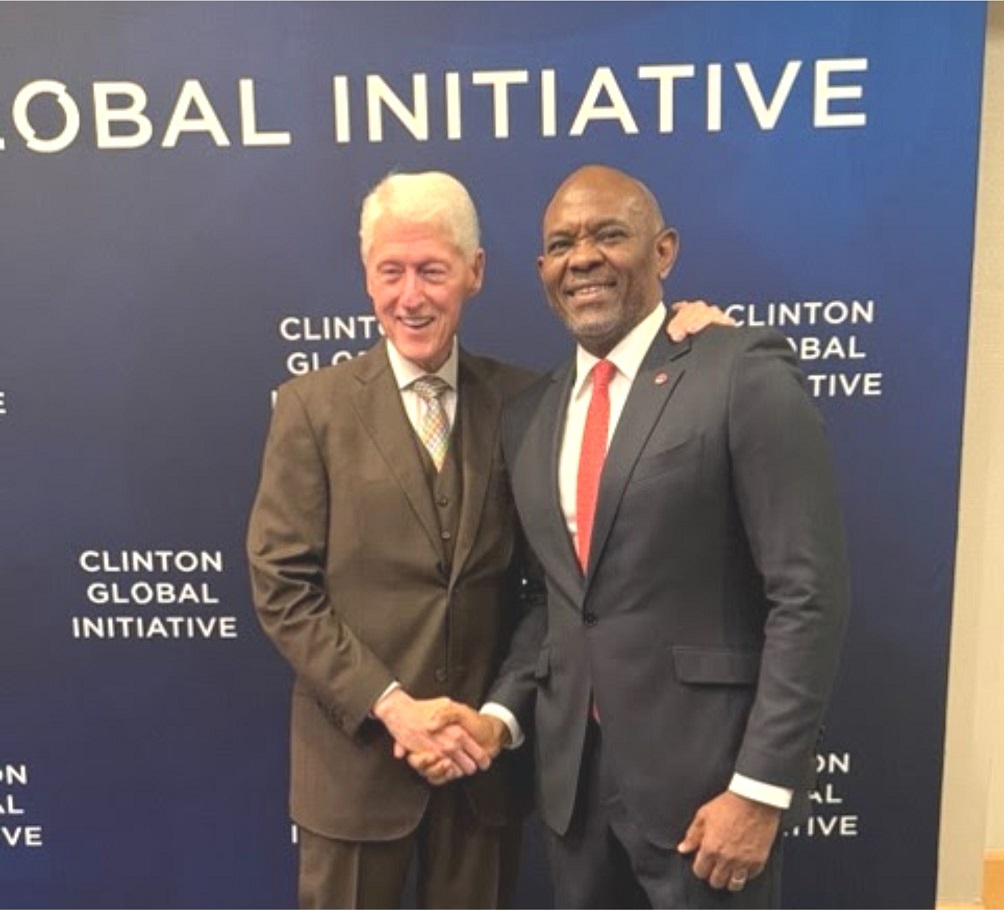
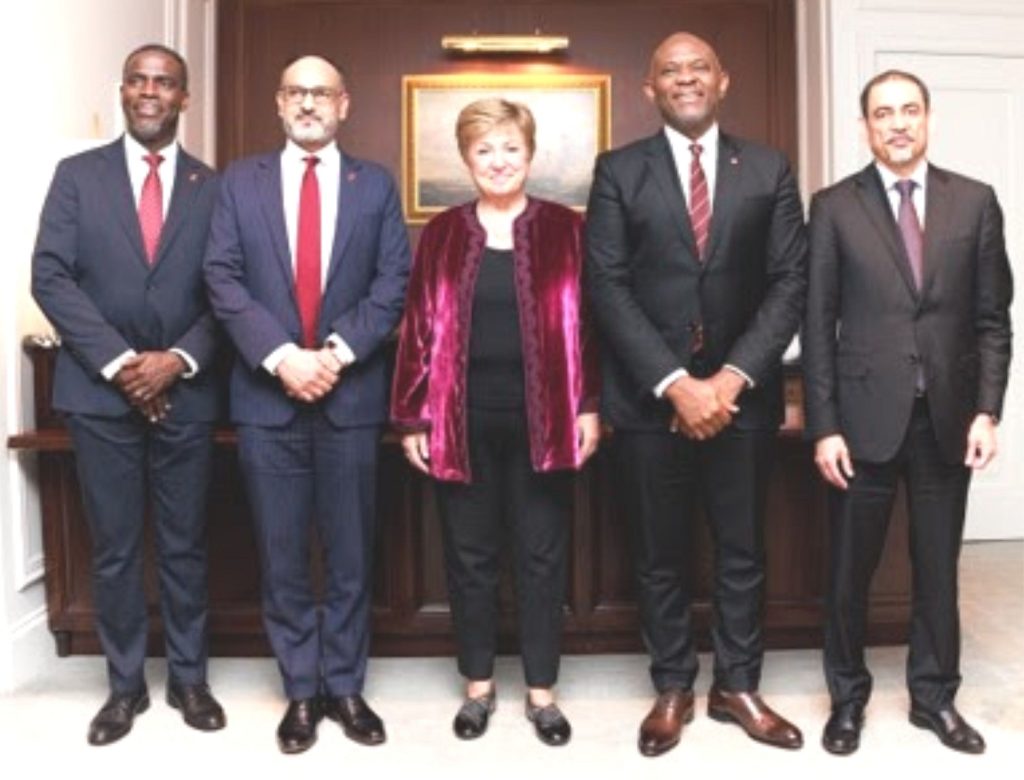
It said more than 7,183 women have been empowered through its programmes, with 85 per cent of them leading their businesses. An independent assessment cited by the foundation further found that businesses supported with US$5,000 seed capital created jobs at a cost of less than US$80 per job. For Elumelu, the figures reinforce the argument that African entrepreneurs are capable of attracting investment and driving economic transformation when given appropriate support. His UNGA engagements also included participation in the Clinton Global Initiative Executive Roundtable on “Economic Opportunity and Security in a New Era”, meetings with IMF Managing Director Kristalina Georgieva and World Bank Group President Ajay Banga, as well as engagements with other global leaders.
He also attended the 61st Annual Appeal of Conscience Awards Dinner, where he received recognition from the Appeal of Conscience Foundation. He had been honoured by the organisation in 2025 but was unable to attend following the Afriland Towers fire, which claimed the lives of United Capital colleagues. Reflecting on his engagements in New York, Elumelu said Africa should not approach the international community solely from the standpoint of what the continent lacks. Rather, he said, partnerships should be built around Africa’s existing strengths, including its entrepreneurs, natural resources, young population, markets and capital, “no one but us will develop Africa,” he said, while acknowledging that Africa still needs the rest of the world and that the world also needs Africa.
He called for a partnership in which Africans bring their markets, resources, capital and entrepreneurial talent to the global table while taking greater responsibility for the continent’s prosperity. According to him, Africa’s potential is no longer in question. The central task is to convert that potential into sustained prosperity through investment, enterprise and partnerships capable of delivering measurable impact, “the work does not end when UNGA ends. That is when the real work begins,” he said.