Newsfront Online Newsfront Online

Nigeria is set to host the African Union’s (AU) African Monetary Institute (AMI), as preparations intensify for the institute’s planned take-off in September 2026. The institute is part of measures to push for monetary cooperation, financial integration and single currency across the African continent,
Speaking during an engagement on advancing the operationalization of the AMI on the sidelines of the ongoing IMF/World Bank Spring Meetings in Washington DC, Governor of the Central Bank of Nigeria (CBN) and the Minister of Finance, reaffirmed Nigeria’s readiness to deliver on its host country obligations and ensure the timely operationalisation of the institute.
The AMI, adopted by AU Heads of State and Government in February 2026, is designed to strengthen macroeconomic convergence, promote monetary policy coordination, and lay the groundwork for a more integrated and resilient continental financial system.
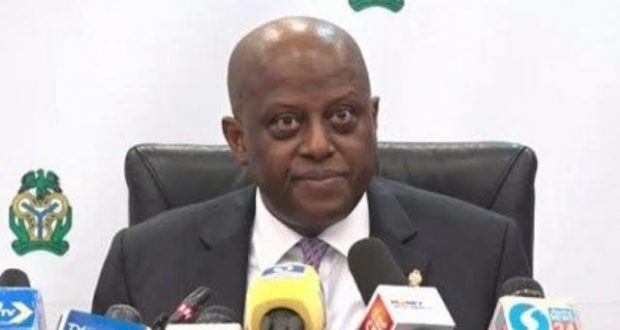
Governor of the CBN, Olayemi Cardoso who was represented by the apex bank Deputy Governor, Economic Policy, Muhammad Sani Abdullahi said: “The African Monetary Institute is an important moment for our continent’s financial architecture, and it is also a moment that calls for clarity on where we are, what has been achieved, and what remains to be done to ensure that the AMI takes off on schedule.
“Nigeria remains fully committed institutionally, politically, and operationally, to supporting the timely establishment of the AMI. Following the adoption of the AMI at the level of our Heads of State and Government in February 2026, Nigeria has intensified the “last‑mile” actions required to translate that milestone into a functioning institution, not merely a signed statute.”
He noted that Nigeria has moved beyond statements of support to practical delivery. In line with host country obligations, the Central Bank of Nigeria has identified and made available a dedicated office facility for the AMI in Abuja, and have opened it for inspection by the African Union Commission as part of demonstrating tangible preparedness.
“Beyond the facility itself, our engagement has remained active and structured. Nigeria stands ready to sustain the momentum through to September 2026. We are committed and eager to sign the Host Country Agreement and other obligations as part of meeting the operational timeline. We see these as critical building blocks, and Nigeria stands ready to engage promptly to ensure that these steps are completed without delay.
“From Nigeria’s perspective, the AMI is not an end in itself, it is a practical instrument to strengthen macroeconomic convergence, enhance monetary cooperation, and build the foundations of a more resilient and integrated African financial architecture. Nigeria is ready to play its role with seriousness and consistency, and we will continue to work closely with the African Union Commission, the Association of African Central Banks, and member states to ensure that the Institute commences operations as scheduled in September 2026.”
Minister of Finance and Coordinating Minister of the Economy, who was represented by the Permanent Secretary of the Ministry of Finance of Nigeria, Raymond Omachi on his part said “Nigeria is ready to give you all the political, institutional, and logistical support to ensure that we start the operation at the time we should, which is September this year, in the next five months. We are ready, and we have all the infrastructure and the facility in place. “We know the importance of this institute as the first step in the financial integration of the African continent.
Commissioner for Economic Development, Trade, Tourism, Industry, and Minerals (ETTIM), AUC, Francisca Tatchouop Belobe, said the push for a single African currency is central to strengthening economic integration, easing cross-border trade, and enhancing policy coordination across the continent. While acknowledging significant structural and political challenges, she noted that the approval and ongoing operationalisation of the African Monetary Institute marks a critical step toward achieving financial sovereignty and a future African central bank.
“A single currency would not only build on the African Continental Free Trade Area (AfCFTA) to create one of the largest markets in the world, but it would also consolidate monetary strength and significantly enhance countries’ ability to self-determine their policies and development paths. We often overlook the fact that monetary policy is one of the most important development tools available. A structured, unified monetary policy has proven to be a powerful force, as seen in the United States and Europe, where it has strengthened their economies.”
Also, Chief Economist and Vice President African Development Bank (AfDB) Professor Kevin Chika Urama said “From the perspective of the African Development Bank Group, the African Monetary Institute is a must-have and a must-have that is already belated.
“We need to learn lessons from others. The European Union, the Euro area, has shown how monetary coordination can strengthen stability. The convergence criteria, on inflation, fiscal deficits, debt management, are critical, and these are the same issues we identify as risks across the continent. Here is an instrument to address those risks.“
(LEADERSHIP)