Newsfront Online Newsfront Online

With Saviour Ekpe, Ph.D
Akwa Ibom State is abundantly blessed with one of the longest coastlines in Nigeria, stretching across several local government areas and providing enormous opportunities for economic growth, job creation, investment attraction, and sustainable development. As the administration of His Excellency, Pastor Umo Eno, continues to pursue the ARISE Agenda and implement people-oriented projects across the state, there is a compelling need to establish a dedicated Ministry of Blue Economy to coordinate, develop and maximize the vast opportunities embedded in the coastal and marine sector.
Before making this appeal, it is important to commend Governor Umo Eno for his unwavering commitment to the development of Akwa Ibom State. His administration has demonstrated remarkable dedication to infrastructure expansion, rural development, entrepreneurship support, youth and women empowerment, agricultural transformation, tourism promotion and human capital development. Through various intervention programmes, grants, and empowerment schemes, many citizens have benefited from government support aimed at improving livelihoods and stimulating economic activities.
While these achievements deserve commendation, the establishment of a Ministry of Blue Economy would provide an institutional framework for harnessing the enormous maritime resources available in the state. One of the most promising sectors within the Blue Economy is Coastal and Marine Tourism.
Beach Tourism
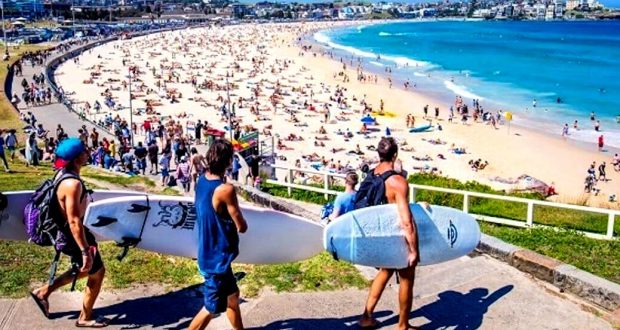
Akwa Ibom possesses some of Nigeria’s most attractive beaches, including the famous Ibeno Beach, which stretches for several kilometres along the Atlantic coastline. With proper planning, infrastructure, security, and environmental management, beach tourism can become a major source of revenue for the state. The Ministry of Blue Economy would facilitate the development of modern beach resorts, hospitality facilities, recreational centres, and tourism villages capable of attracting both local and international visitors. Such investments would stimulate economic activities, increase internally generated revenue and create thousands of jobs for youths and women.
Cruise Tourism
Globally, cruise tourism contributes billions of dollars annually to national economies. Akwa Ibom’s strategic coastal location positions it as a potential destination for cruise vessels operating within the Gulf of Guinea and the West African maritime corridor. A dedicated Ministry of Blue Economy could collaborate with relevant federal agencies and private investors to develop cruise terminals, waterfront facilities, and tourism support infrastructure. This would encourage international visitors to explore the state’s cultural heritage, cuisine, arts and tourist attractions while generating income for local businesses.
Recreational Boating
Recreational boating is another growing segment of marine tourism that remains largely untapped in Akwa Ibom State. The state’s extensive network of waterways, creeks, estuaries, and coastal environments provides ideal conditions for leisure boating activities. With appropriate investment and regulation, boating clubs, yacht services, water taxis and leisure excursions can flourish. These activities would not only boost tourism but also encourage private sector participation in maritime recreation and waterfront development.
Diving and Water Sports
Across the world, diving, surfing, jet skiing, kayaking, sport fishing, and other water sports attract millions of tourists annually. Akwa Ibom’s coastal ecosystem presents unique opportunities for the development of these activities. The creation of a Ministry of Blue Economy would enable government to formulate policies that encourage investment in water sports facilities, training centres, safety services, and sporting events. Such initiatives would attract domestic and international tourists while providing employment opportunities for local communities.
Ecotourism
Perhaps one of the most sustainable aspects of coastal and marine tourism is ecotourism. Akwa Ibom’s mangrove forests, wetlands, estuaries, coastal habitats and rich biodiversity offer immense opportunities for nature-based tourism. A Blue Economy Ministry could champion conservation programmes that protect these natural assets while promoting responsible tourism. Eco-parks, wildlife observation centres, mangrove tours, educational excursions and community-based tourism initiatives would generate income while preserving the environment for future generations.
A Strategic Imperative for Sustainable Development
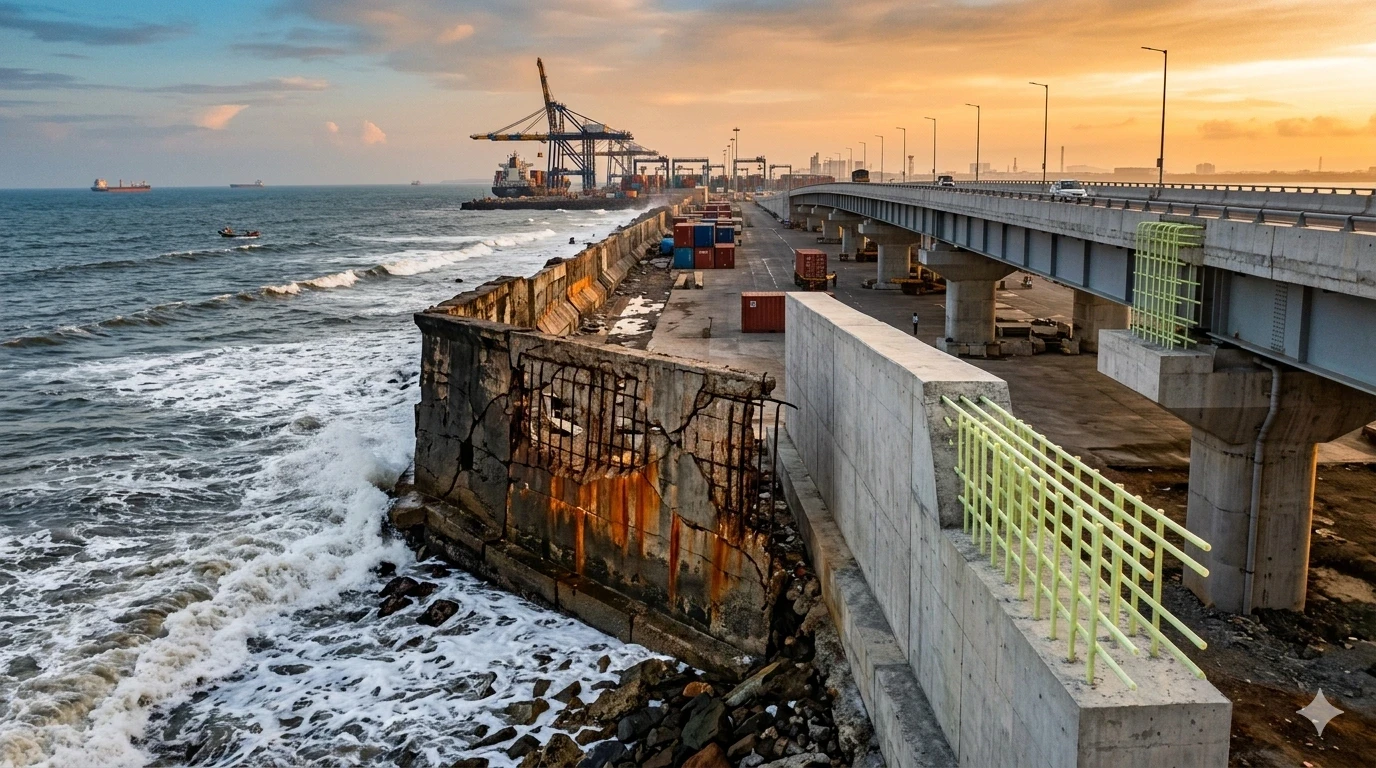
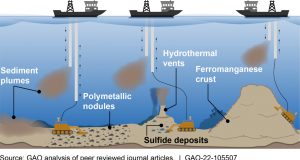
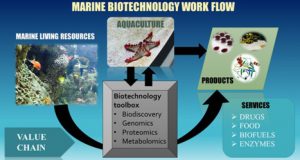
The establishment of a Ministry of Blue Economy would provide the institutional mechanism required to coordinate tourism development, attract investors, facilitate public-private partnerships, promote environmental sustainability and ensure effective utilization of marine resources. Beyond tourism, the ministry would serve as a catalyst for broader maritime development, including fisheries, aquaculture, maritime transport, offshore energy, marine biotechnology, shipbuilding and coastal infrastructure development.
As Akwa Ibom continues its march toward becoming a leading economic hub in Nigeria, the time has come to fully embrace the opportunities offered by the Blue Economy. By establishing a Ministry of Blue Economy, Governor Umo Eno would be laying the foundation for a new era of prosperity, economic diversification, employment generation and sustainable development. The vast waters, beaches, and marine resources of Akwa Ibom are not merely natural endowments; they are strategic economic assets waiting to be transformed into engines of growth. A dedicated Ministry of Blue Economy will provide the vision, coordination and leadership necessary to unlock this immense potential for the benefit of present and future generations.
Dr Saviour Ekpe is a Journalist, public analyst, scholar and the National Secretary, Energy and Maritime Reporters of Nigeria (EMR), could be reached through +2348024179119