Newsfront Online Newsfront Online

With Saviour Ekpe, Ph.D
The growing global shift toward sustainable development has made it increasingly clear that the oceans are no longer merely vast bodies of water for navigation and fishing, but strategic reservoirs of innovation, medicine, energy and industrial raw materials. For a coastal state such as Akwa Ibom State, the time has come to move decisively beyond traditional maritime exploitation into the knowledge-driven era of the Blue Economy, with particular emphasis on marine biotechnology.
It is in this regard that the proposal for the establishment of a dedicated Ministry of Blue Economy in Akwa Ibom State becomes not only relevant but urgent. Such a ministry would provide the institutional framework required to harness emerging opportunities embedded in marine biotechnology—an area that remains largely untapped despite its enormous potential for wealth creation, job generation and industrial transformation.
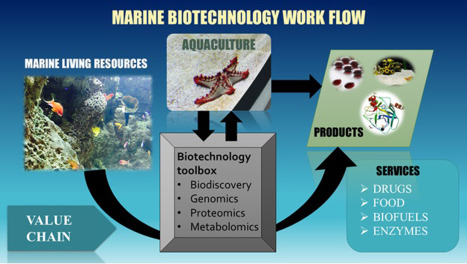
At the forefront of this opportunity is the development of pharmaceutical products from marine organisms. Oceans host a vast diversity of microorganisms, algae, sponges and other marine species that contain bioactive compounds with powerful medicinal properties. Across the world, modern medicine is increasingly relying on marine-derived compounds for the treatment of cancer, infections, inflammation and neurological disorders. Akwa Ibom, with its rich coastal and estuarine ecosystems, stands a real chance of becoming a research and production hub if proper investments are made in marine science laboratories, university-industry partnerships and biotechnology incubation centres.
Closely related is the emerging field of cosmetics production from sea resources. Seaweed, marine oils and natural extracts from aquatic organisms are now widely used in the global cosmetics industry for skincare, anti-aging products, hair care and organic beauty formulations. With the rising global demand for natural and organic products, Akwa Ibom could position itself as a supplier and manufacturer of high-value marine-based cosmetic products, thereby creating thousands of jobs for young scientists, entrepreneurs and women in coastal communities.
Another critical dimension is the exploration and management of marine genetic resources. These resources represent the genetic materials found in marine organisms that can be studied, preserved and applied in biotechnology, agriculture and industrial innovation. Countries that have invested in marine genomics are already benefiting from breakthroughs in crop improvement, disease resistance and industrial enzymes. A structured Blue Economy Ministry would ensure that Akwa Ibom State is not left behind in this global scientific revolution but instead becomes a regional leader in marine genetic research and innovation.
Furthermore, the potential for biofuel development from marine sources presents a forward-looking pathway toward energy diversification. Marine algae and other ocean-based biomass can be converted into renewable biofuels, reducing dependence on fossil fuels while promoting environmental sustainability. For a state that already plays a role in Nigeria’s energy landscape, this presents a strategic opportunity to transition into cleaner and more sustainable energy production systems.
It is important to acknowledge the ongoing development efforts and empowerment initiatives being championed by the administration of His Excellency, Pastor Umo Eno. These interventions, spanning infrastructure renewal, agricultural support programs, youth empowerment schemes and social welfare projects, have continued to positively impact the lives of citizens. The administration’s commitment to inclusive growth and human capital development is evident and commendable.
Equally, the broader development aspirations of Akwa Ibom State under this leadership provide a strong foundation upon which a specialized Blue Economy Ministry can thrive. By building on existing achievements, the state can strategically expand its economic base beyond oil and land-based agriculture into a diversified maritime economy anchored on science, technology and innovation.
However, to fully unlock these opportunities, institutional focus is essential. A dedicated Ministry of Blue Economy would coordinate research, attract international partnerships, regulate marine biotechnology activities and ensure that local communities benefit directly from ocean-based resources. It would also help align the state with global best practices in sustainable ocean governance and position Akwa Ibom as a pioneer in Nigeria’s Blue Economy transformation.
In conclusion, marine biotechnology represents not just a sector of opportunity but a future of possibility. From pharmaceuticals to cosmetics, from genetic resources to biofuels, the ocean economy holds transformative power for sustainable development. With visionary leadership, strategic planning and the creation of a dedicated ministry, Akwa Ibom State can truly convert its coastal advantage into lasting prosperity for its people.
Dr Saviour Ekpe is a Journalist, public analyst, scholar and the National Secretary, Energy and Maritime Reporters of Nigeria (EMR), could be reached through +2348024179119