Newsfront Online Newsfront Online

With Saviour Ekpe, Ph.D
The discourse on establishing a dedicated Blue Economy Ministry in Akwa Ibom State continues to gain momentum and rightly so. The state’s coastal geography, strategic location along the Gulf of Guinea and rich marine endowments position it as one of Nigeria’s most promising frontiers for maritime-driven economic expansion. In advancing this vision, marine and coastal infrastructure emerges as a foundational pillar that cannot be ignored if the state is to unlock its full blue economy potential.
Before delving into this critical component, it is important to acknowledge and commend the administration of His Excellency, Pastor Umo Eno, for its ongoing development strides and people-oriented empowerment initiatives across various sectors. From infrastructural renewal efforts to youth empowerment programmes and interventions aimed at strengthening small and medium-scale enterprises, the administration has demonstrated a commitment to improving livelihoods and expanding economic opportunities for the people of Akwa Ibom State. These efforts provide a solid foundation upon which a more specialized blue economy framework can be built.
However, to transition from foundational development to accelerated economic transformation, the state must deliberately prioritize marine and coastal infrastructure as a strategic growth engine. This is where the establishment of a dedicated Blue Economy Ministry becomes not just desirable, but necessary.
Ports Development: Gateways to Economic Expansion
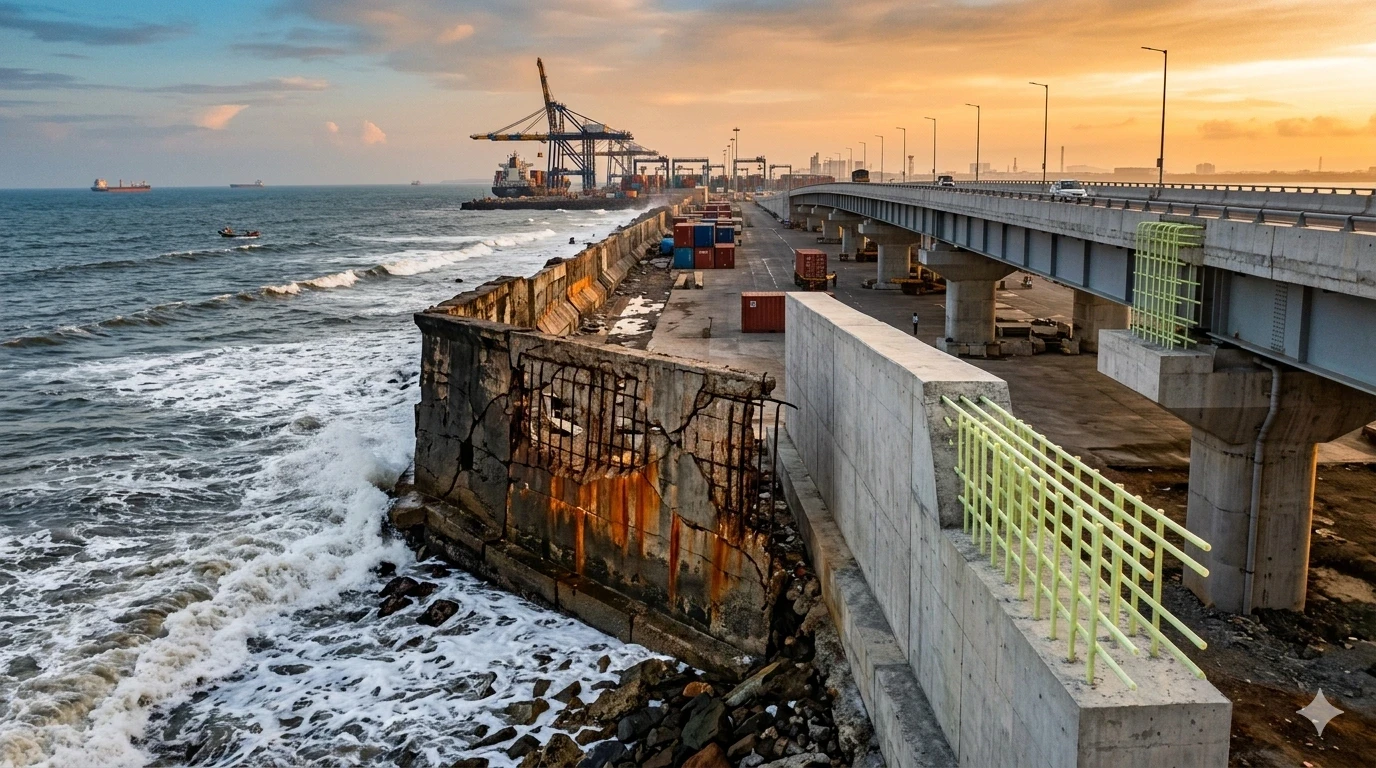
Ports remain the most critical entry and exit points for maritime trade and commerce. A modernized port system in Akwa Ibom State would significantly enhance import and export activities, reduce logistics costs and attract foreign direct investment. With the state’s coastal advantage, investments in deep-sea and auxiliary port facilities could reposition Akwa Ibom as a competitive maritime hub in West Africa. A Blue Economy Ministry would ensure coordinated planning, investment attraction and regulatory oversight for sustainable port development.
Jetties: Strengthening Local Maritime Connectivity
Beyond large-scale ports, jetties play a vital role in supporting local fishing communities, inter-coastal transportation and small-scale trade. Properly constructed and maintained jetties would improve safety, reduce travel risks and enhance the efficiency of water-based transportation for coastal communities. They would also stimulate local commerce, especially in riverine and island settlements where water transport remains the primary means of movement.
Breakwaters: Protecting Coastal Assets and Communities
The importance of breakwaters cannot be overstated in a coastal state like Akwa Ibom. These structures are essential for reducing the impact of ocean waves, preventing coastal erosion and protecting critical infrastructure. With increasing climate variability and rising sea levels, strategic investment in breakwaters would safeguard both public and private coastal assets while ensuring the sustainability of marine activities.
Coastal Industrial Parks: Catalysts for Blue Economic Growth
Coastal industrial parks represent a transformative opportunity for industrial diversification. By clustering maritime-related industries such as ship repair, seafood processing, logistics and marine technology along the coastline, Akwa Ibom can create a powerful ecosystem of innovation and employment. These parks would not only attract investors but also stimulate value-chain development across fisheries, shipping and offshore services. A dedicated ministry would provide the institutional framework needed to plan, regulate and promote such specialized economic zones.
Waterfront Developments: Unlocking Tourism and Urban Renewal
Waterfront development offers a dual advantage of economic and aesthetic transformation. Properly planned waterfronts can serve as tourism hubs, recreational spaces, hospitality centers and cultural landmarks. In addition, they contribute to urban renewal, increase property values and enhance the overall livability of coastal cities. Akwa Ibom’s scenic coastal landscape provides immense potential for world class waterfront projects that could rival global destinations if properly harnessed.
The Case for a Dedicated Blue Economy Ministry
The complexity and interconnectivity of these marine and coastal infrastructure components highlight the need for a specialized institutional framework. A Blue Economy Ministry would provide the strategic coordination required to integrate ports, jetties, breakwaters, industrial parks and waterfront developments into a unified development agenda. It would also facilitate partnerships with private investors, international development agencies and maritime experts. Most importantly, it would ensure that Akwa Ibom State does not merely participate in the blue economy conversation but becomes a leading model for coastal economic transformation in Nigeria and beyond.
In conclusion, while acknowledging the commendable efforts already made by the administration of Umo Eno, it is clear that the next phase of development must be more strategic, specialized and future-oriented. The establishment of a Blue Economy Ministry is not just an administrative adjustment, it is a bold step toward unlocking the vast, untapped marine wealth of Akwa Ibom State. With deliberate planning, strong political will and institutional innovation, Akwa Ibom can transform its coastline into a powerful engine of prosperity, industrial growth and sustainable development if Ministry of Aviation is possible then, Ministry of Blue Economy is a must-do-project.
Dr Saviour Ekpe is a Journalist, public analyst, scholar and the National Secretary, Energy and Maritime Reporters of Nigeria (EMR), could be reached through +2348024179119